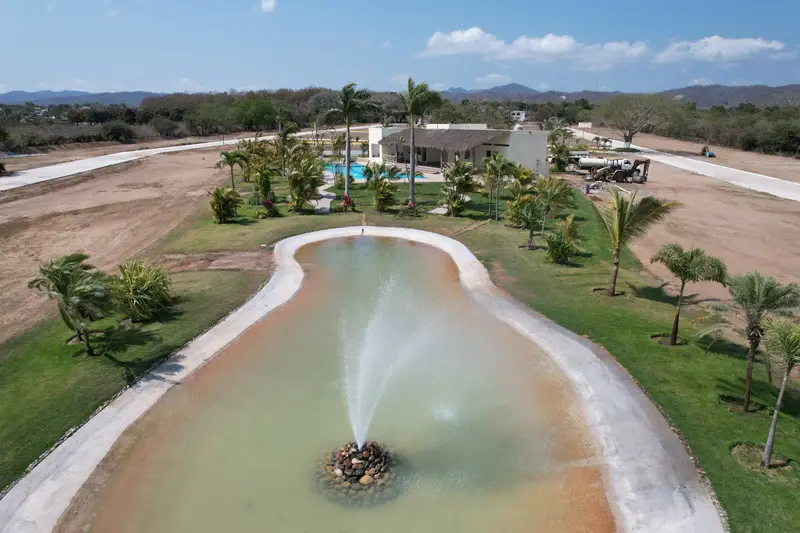
Pickleball: The Sport Transforming Residential Communities
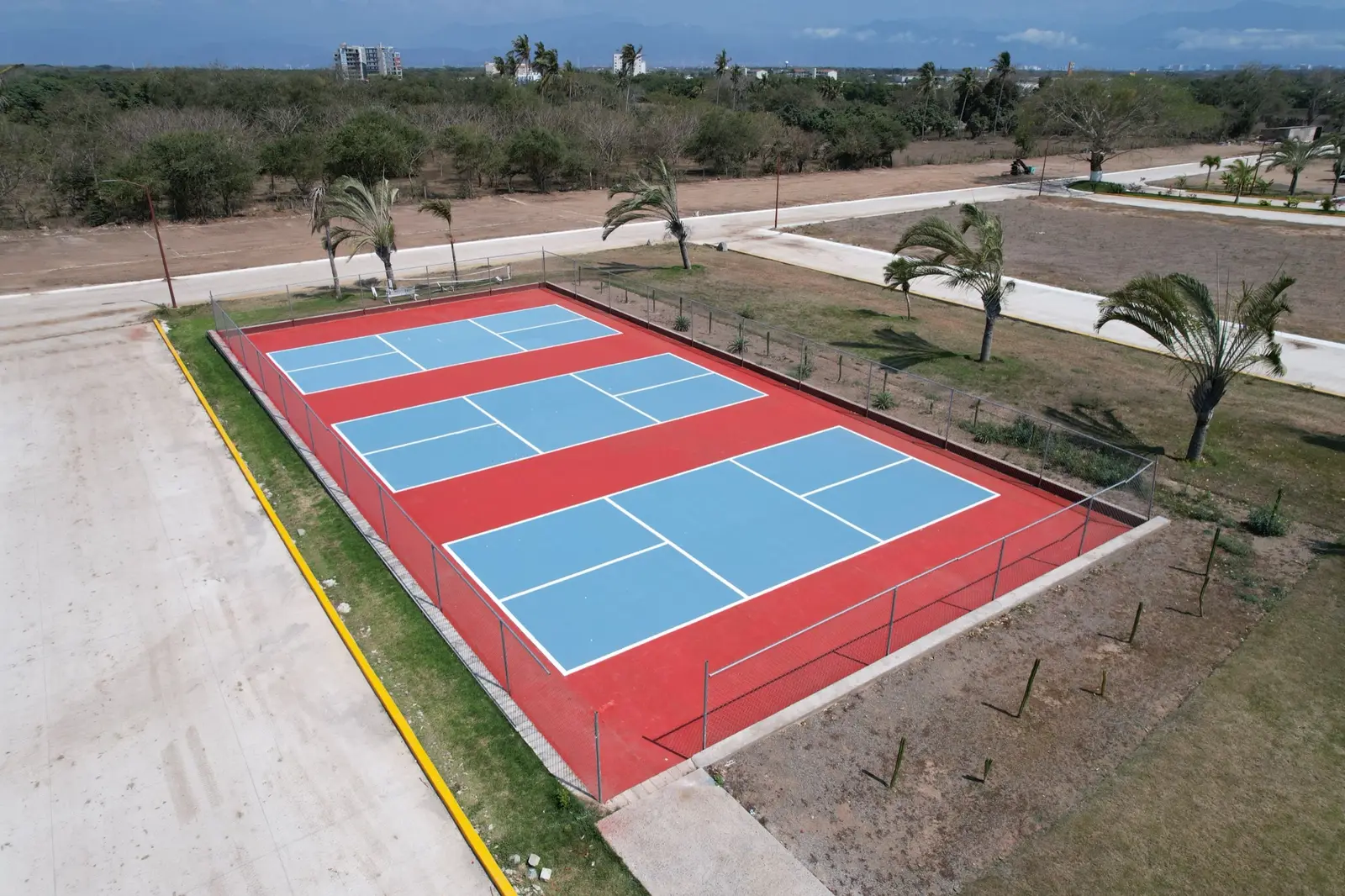
Five years ago, few would have believed that a sport invented in the 1960s on an island in Washington State would become one of the great excuses to get together in Mexican residential developments. But here we are: pickleball hasn’t just arrived to stay — it’s changing how communities relate to each other.
At Del Lago Residencial we see it up close: the courts have become a gathering point in the development.
What Is Pickleball?
For those who don’t know yet: pickleball is a racquet sport combining elements of tennis, badminton, and table tennis. It’s played on a smaller court than tennis, with a lower net, solid paddles, and a perforated plastic ball.
What makes it special:
- Easy to learn: In 15 minutes you’re playing. In a week, you’re competing.
- Low physical impact: Ideal for all ages. Doesn’t punish knees or back like tennis.
- Highly social: Played mostly in doubles, which encourages interaction.
- Compact court: Fits in spaces where a tennis court wouldn’t be viable.
- Addictive: Regular players report it quickly becomes a habit.
A Phenomenon That Crossed the Border
In recent years pickleball has grown very quickly in the U.S. and Canada, and that popularity has reached Mexico. On the Pacific coast, where Mexican and foreign families live side by side, it has become a regular sport in clubs, parks, and residential communities.
Why It Works So Well in Residential Communities
Across residential developments on the Pacific coast, there’s often a noticeable difference between those with pickleball courts and those without:
Those with pickleball:
- Neighbors who know each other by name
- Active WhatsApp groups organizing matches
- Social events that naturally arise from games
- Intergenerational and intercultural mixing
- A sense of community belonging
Those without:
- Neighbors who wave from a distance (or not even that)
- Amenities nobody uses
- Empty common areas
- Social life limited to “good morning” in the parking lot
The difference is dramatic. The reason is simple: pickleball gives people a reason to leave their homes and interact.
How Pickleball Lives at Del Lago Residencial
At Del Lago, the pickleball courts are the development’s social heart. Here’s what a typical day on the courts looks like:
Mornings (7:00 - 10:00 AM): The early birds. Mainly retirees and those working from home. Relaxed games, coffee after playing, conversations ranging from grandchildren to construction plans.
Mid-morning (10:00 AM - 12:00 PM): The mixed shift. Mexicans and foreigners communicating in a sporting Spanglish. Pickup games organized with a simple message in the community group chat.
Afternoons (5:00 - 7:00 PM): The working crowd. Whole families. Kids learn while parents play. It’s the most social time slot, and games frequently end in impromptu barbecues.
Weekends: Informal tournaments, beginner clinics, and visits from friends at other developments. Pickleball has become the perfect excuse to invite people over.
An Amenity People Actually Use
When choosing where to live, it pays to look at the amenities you’ll really use. A pickleball court says nothing about a property’s future value, but it says a lot about how a community lives: if the courts have players, the neighbors know each other.
That’s why more and more buyers put it on their list. Not as a decorative extra, but as part of their routine.
Beyond the Sport: Building Community
What’s truly valuable about pickleball isn’t the sport itself, but what it generates around it:
-
Cultural integration: At Del Lago, Mexican families live alongside residents from the U.S., Canada, and other countries. Pickleball eliminates linguistic and cultural barriers.
-
Accessible physical activity: You don’t need to be an athlete. The learning curve is gentle, and the sport adapts to any fitness level.
-
Routine and social structure: Having an “8 AM game” gives the week structure and creates social commitments that strengthen bonds.
-
Support network: Pickleball groups become genuine support networks. They help with service recommendations, look out for each other, and celebrate together.
How to Get Started
If you’ve never played pickleball and are considering moving to a community that offers it:
-
Don’t worry about equipment: A basic paddle and a few balls are all you need to start. It’s one of the easiest racquet sports to gear up for.
-
Find a fellow beginner: Everyone starts equally clumsy. The pickleball community is famously welcoming to newcomers.
-
Go with a social attitude: Pickleball is 50% sport and 50% socializing. Don’t just go to win — go to meet people.
-
Give it three sessions: If after three times you’re not hooked, you’re a statistical exception.
Conclusion
Pickleball isn’t a passing fad. It’s a transformation in how residential communities function. It turns neighbors into friends, amenities into gathering points, and developments into real communities.
If you’re evaluating where to buy your lot or home, put pickleball courts on your criteria list. Not for the sport itself — for everything that comes with it.
At Del Lago Residencial, the courts are already full of stories. Only yours is missing.